
Hidden Water Damage: The Signs Inspectors Look For Behind the Paint
How to find concealed water damage before you buy: the visual clues, the meter and thermal readings that matter, the usual entry points, and what repairs really cost.
Most inspection reports list everything and prioritise nothing. Here is how to separate the defects that cost money now from the ones that can wait.
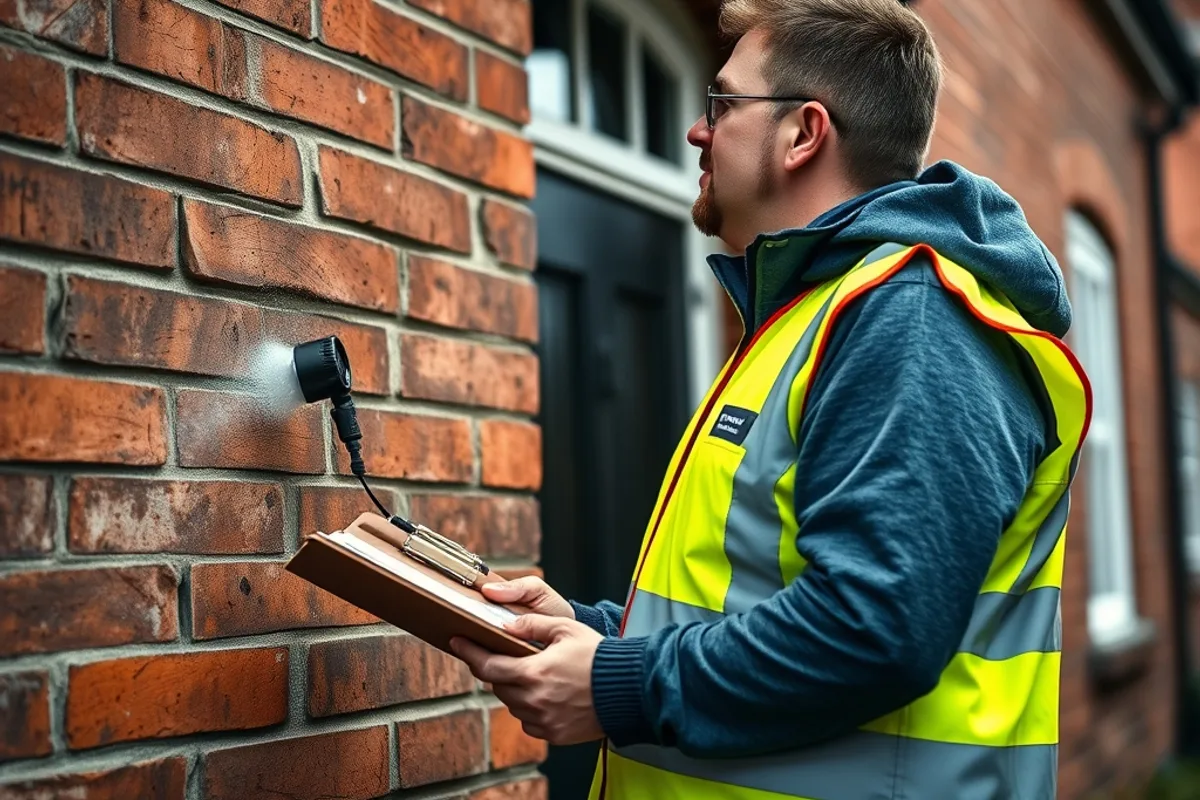
A home inspection is not a guarantee. It is a structured, time-limited visual assessment of a building that has had years to conceal its problems. The report that follows is best understood as a list of evidence and hypotheses, not a verdict. Buyers get into trouble when they treat every line as equally important, or when they treat the whole document as a formality required by the lender.
The useful question is not "is this house perfect?" It never is. The useful question is: which defects are active, which are expensive, and which are cosmetic? Answering that turns a hundred-page PDF into three or four decisions you can actually act on before exchange.
A standard inspection covers the accessible parts of the structure and services: roof covering from ground level or a ladder, loft space, walls, floors, windows, drainage runs, electrics at the consumer unit, heating, and signs of movement or moisture. It is non-invasive. The surveyor does not lift floorboards, open walls, dig up drains or test every circuit.
That boundary explains most of the surprises buyers complain about later. A report might note "no evidence of damp at the time of inspection" while a shower tray leaks behind tiles on the other side of the wall. It might describe the electrics as "dated" without telling you that a rewire will cost five figures. Absence of evidence is not evidence of absence, and a good report says so in its limitations section.
If you need more certainty, commission a higher level of survey, a drainage CCTV survey, an electrical installation condition report or a structural engineer's appraisal. These cost money, but they cost far less than discovering the problem after completion, when the seller has gone and the liability is yours.
Most reports use condition ratings such as one to three, or green, amber and red. Those ratings are a starting point, not a strategy. Re-sort the findings yourself.
This is anything that could injure someone, let water into the building, or indicate that the structure is moving. Cracked chimney stacks, defective flues, unsafe gas work, exposed wiring, failed roof flashings, blocked or broken drains, significant movement cracks, rotten lintels and rising damp all belong here. These items carry both risk and cost, and they are the ones that justify a specialist before exchange.
Roof covering nearing the end of its life, a boiler of unknown age, single-glazed windows, an old consumer unit, failing render, worn kitchen units. None of these is necessarily urgent, but together they can add a substantial number to your first five years of ownership. Price them as a package and use the total in your negotiation.
Stained paint, sticking doors, worn seals, tired decoration, minor settlement cracks in plaster, gutter cleaning. These are real but rarely worth renegotiating over. A house with a long tier-three list is often better maintained than one with a short list and one hidden tier-one problem.
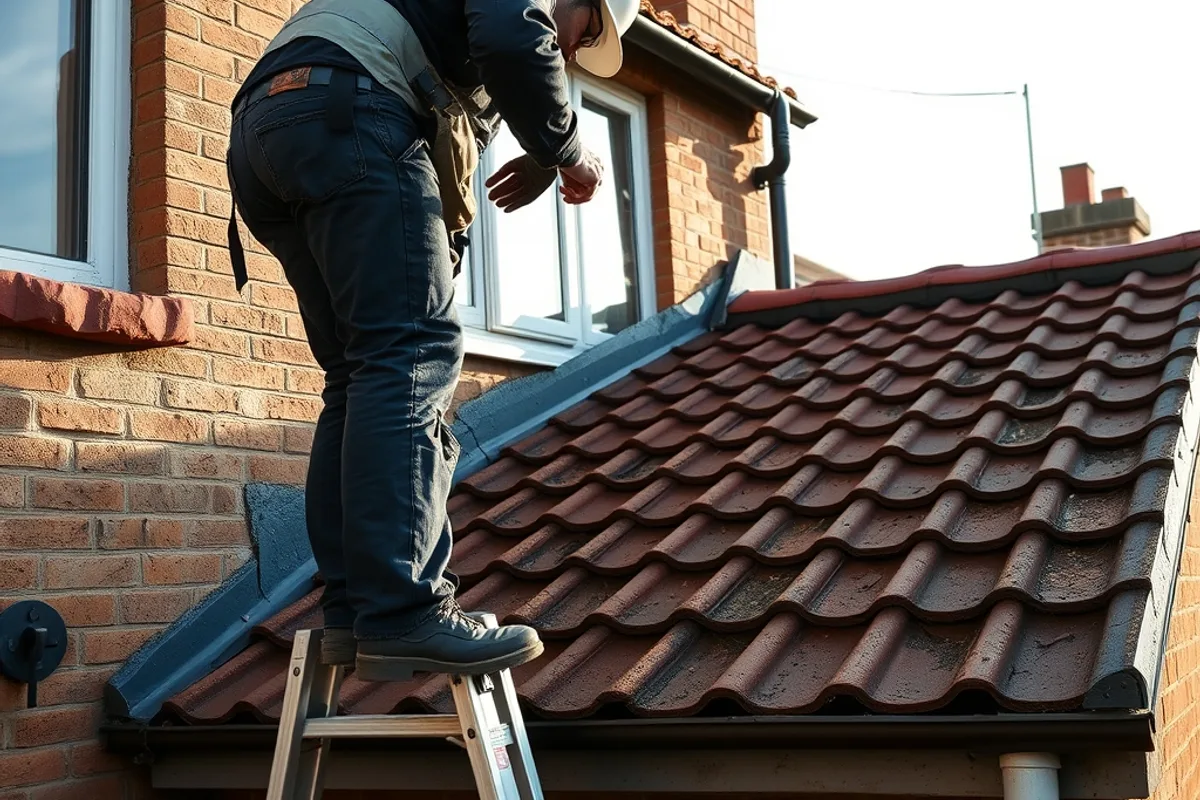
Water is the most common cause of expensive domestic defects, and the roof is where most water enters. Check the age and type of covering, the condition of flashings around chimneys and abutments, the state of valley gutters, and whether the roof space shows staining or daylight. From the ground, look for slipped tiles, sagging lines and vegetation growing in gutters.
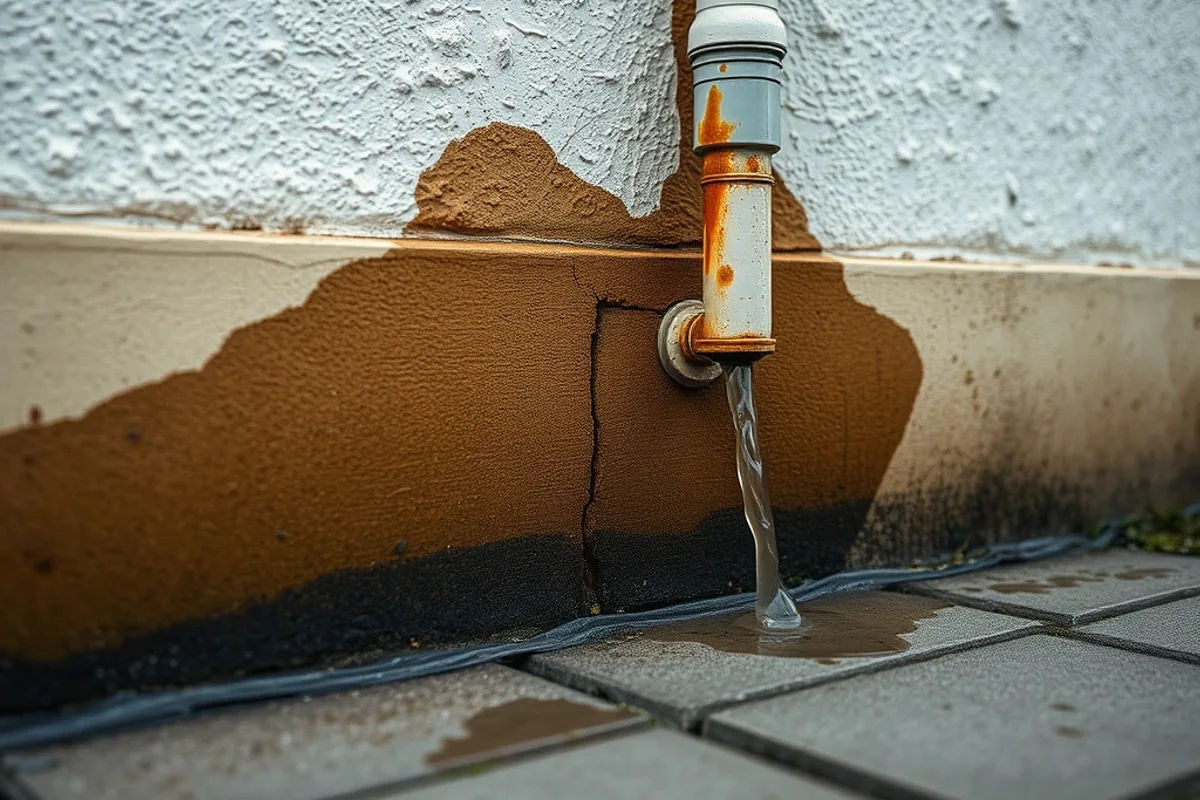
Then follow the water down. A blocked gutter can soak a wall for years before the stain appears indoors. A cracked downpipe shoe can erode the foundation beside a bay. A gully that discharges into a soakaway which no longer drains will keep a corner of the house permanently damp. Ask where every roof drains to, and whether the drainage has been tested.
Drainage is often excluded or only partially inspected. If the property is older, has large trees nearby, or shows patches of unusually green ground, a CCTV drain survey is cheap insurance. It also tells you whether the responsibility stops at your boundary or continues into a shared sewer.
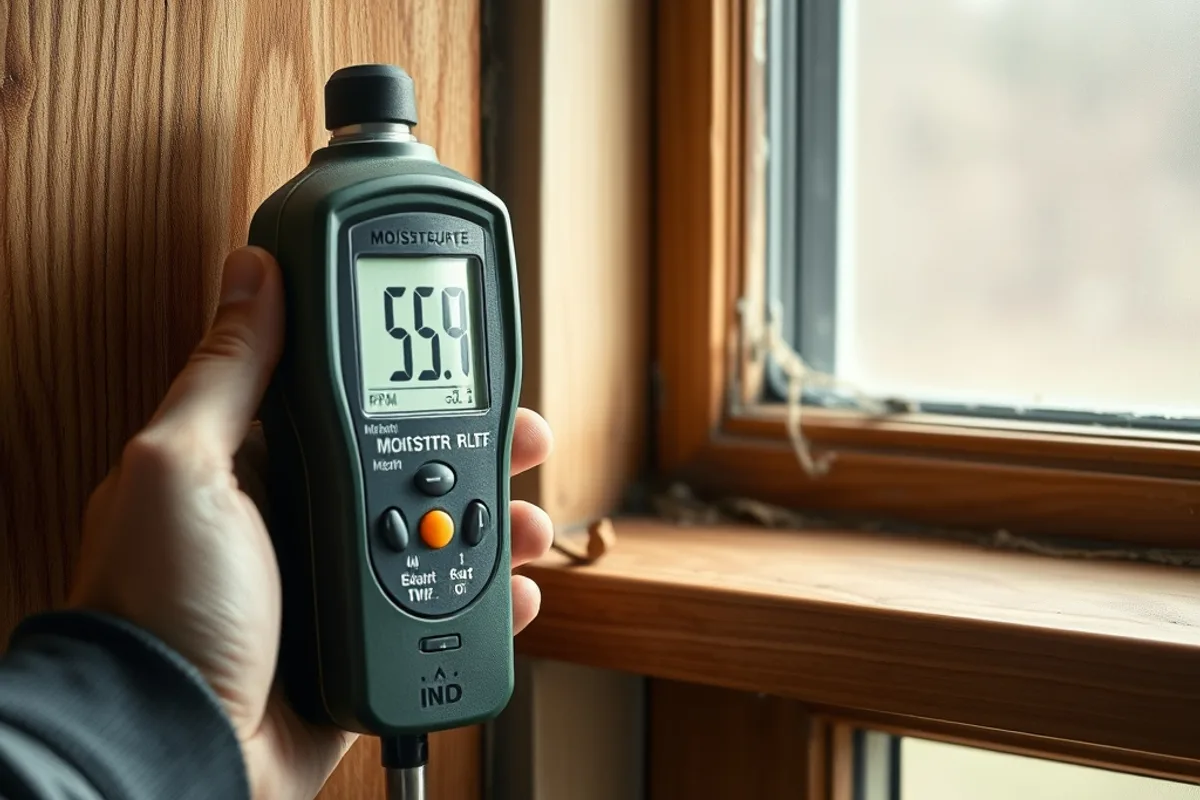
Damp is a symptom with several possible causes: leaking pipes, failed roof details, blocked cavities, defective damp-proof courses, raised external ground levels, condensation from poor ventilation, or hygroscopic salts left by an old chimney. The repair depends entirely on the cause, which is why "inject a damp-proof course" is sometimes the wrong answer and often an expensive one.
Movement is different. Hairline cracks in plaster are usually seasonal or shrinkage. Cracks that are wider than a few millimetres, diagonal, stepped through brickwork, or paired with sticking doors and sloping floors deserve an engineer, not a cosmetic patch. Monitoring crack width over several months with a simple gauge is more informative than a single photograph, and it gives a professional something to work with.
Electrics, gas and heating are the areas where a visual inspection reaches its limit fastest. A consumer unit with no residual current protection, socket outlets in a bathroom, or DIY wiring in a loft are warnings rather than diagnoses. Ask for the date of the last electrical installation condition report and the boiler service record. If neither exists, budget for both.
Gas appliances should be checked by a registered engineer. A surveyor can note a smell, a flue position or a visibly poor installation, but cannot certify safety. The same applies to solid fuel stoves and chimneys, which are a frequent source of hidden problems in older homes.
Heating systems age quietly. A working boiler is not the same as an efficient one, and radiators that are cold at the bottom may be sludged rather than broken. If the system is more than fifteen years old, assume replacement within your ownership and price it into the offer.
Do not send the seller the whole report with a demand for a discount. Choose the three or four items that are material, get written quotes from contractors, and present the quotes alongside the relevant report references. A specific, evidenced request is far more likely to succeed than a general complaint about condition.
There are three outcomes worth aiming for: a price reduction, an agreement that the seller completes specified repairs before completion, or a retention held by the conveyancer until work is done. Each has risks. A price reduction leaves you in control of the work but may not reflect the true cost. Seller repairs can be done cheaply and without warranty unless you specify materials and evidence. A retention is cleaner but requires agreement and a mechanism to release it.
Finally, keep the report. It is a record of the building's condition on a specific date, and it is useful when you come to sell, insure or commission work. A good surveyor will also take calls after the report is delivered; use that access to ask which findings mattered most.

A well-handled inspection ends with a short list: what must be fixed, what will be replaced in the next five years, what can be lived with, and what remains unknown. That list should be reflected in your offer, your budget and your insurance. The report itself is not the deliverable. The decisions it produces are.
If the numbers do not work, walk away. There is always another house, and the survey fee is the cheapest part of the transaction.