
Permits and Planning Approval: A Practical Walkthrough
A practical guide to planning permission and building regulations for home projects: what needs consent, drawings, neighbour consultation, conditions, timelines and appeals.
Most boundary arguments begin with an assumption and end with a solicitor. The evidence exists long before the argument, and the notices are cheaper than the litigation.
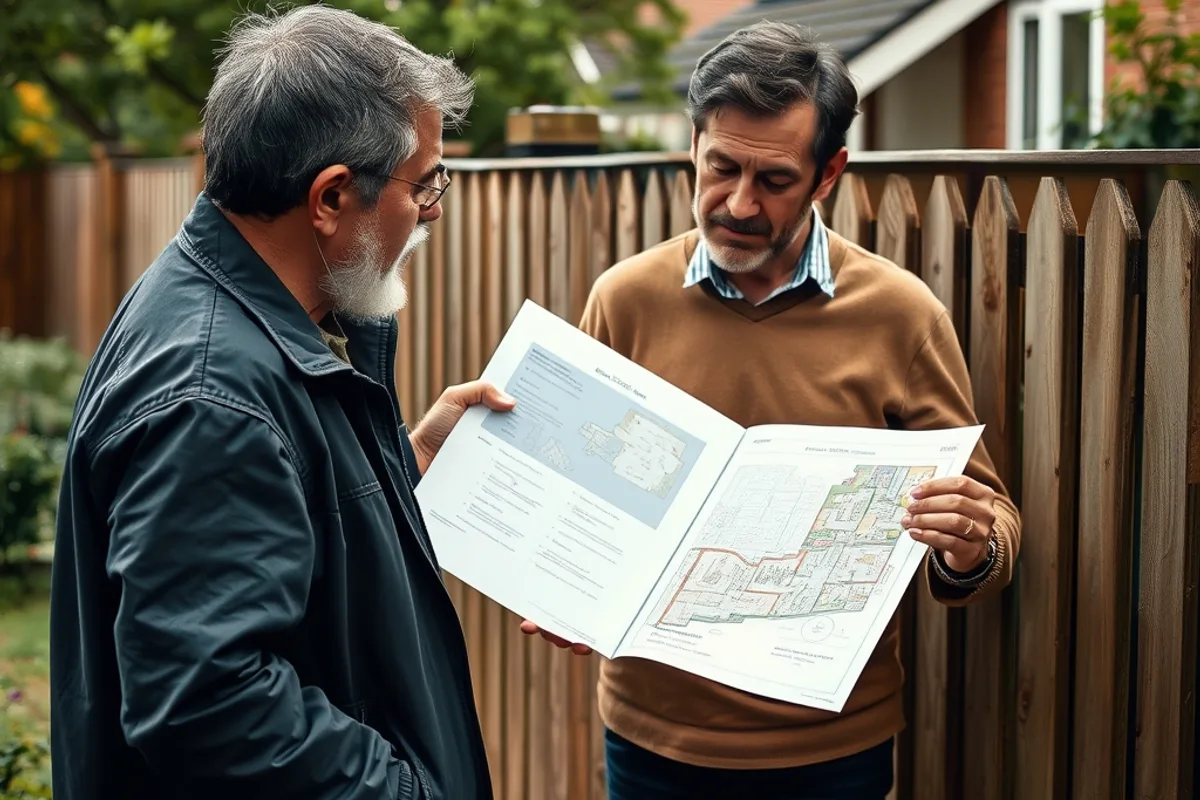
Boundary disputes are rarely about the few centimetres of land involved. They are about certainty, privacy and the feeling that a neighbour has taken something without asking. By the time a fence is moved or a wall is built, the parties have usually stopped listening to each other. The legal system is a slow and expensive way to resume the conversation.
The good news is that most disputes are preventable with documents that already exist. Title plans, deeds, historic photographs, planning records and a written agreement can establish what is known and what is not. The bad news is that those documents often show less certainty than either neighbour expects.
A boundary is a legal line that separates two titles. It may be defined by a deed, a conveyance plan, a physical feature or a combination. The title plan held by the land registry is typically based on an Ordnance Survey map and is indicative; it is not a precise measurement of where the boundary lies on the ground.
Physical features can be evidence: a wall, a fence, a hedge, a ditch or a line of paving. Historic photographs, old conveyances, planning applications and the position of downpipes and roof overhangs can all help. The age of a feature matters; a fence that has been in place for decades may support an inference, but it does not automatically change ownership.
Adverse possession is a separate legal doctrine and varies by jurisdiction. It is not a shortcut for resolving a neighbour dispute, and it usually requires strong evidence over a long period. Do not assume that occupying land creates ownership without checking the law that applies.
Check your title and any covenants or easements. A covenant may restrict what you can build, even if planning permission is granted. An easement may give a neighbour a right of access or a right to light. A drainage or service easement may limit excavation. These rights do not always appear on the title plan, so a conveyancing search and a careful reading of the deeds are essential.
Then check the physical reality. Where are the foundations, drains and service pipes? A new foundation close to a boundary can affect a neighbour's structure, especially on clay soils or where the existing footings are shallow. The engineer should consider the effect of excavation on the adjacent building, not just the new one.
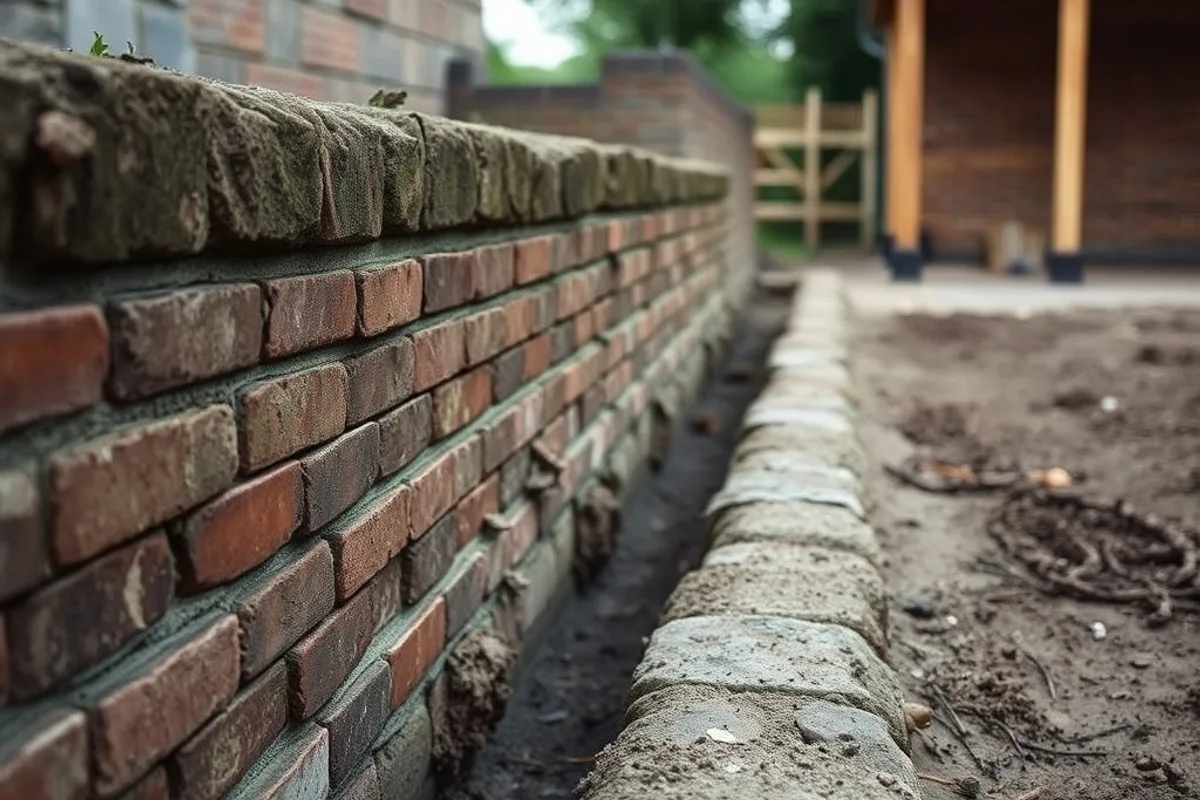
A party wall is a wall shared by two or more owners, or a wall that stands on one owner's land but is used by both. Party wall legislation also covers certain excavations near a neighbouring building and the construction of a new wall at a boundary. The details vary by jurisdiction, but the principle is consistent: give notice, allow the neighbour to appoint a surveyor, and record the condition of the adjoining property.
Notice must be given at the right time and in the right form. Typically, two months' notice is required for work to an existing party wall and one month for excavation. The notice should describe the work, identify the properties and state when it will begin. A vague letter is not a valid notice.
| Work | Typical notice | Key protection |
|---|---|---|
| Alteration to a party wall | Two months | Party wall award and schedule of condition |
| New wall at a boundary | One month | Line of junction notice |
| Excavation near a neighbour | One month | Foundation details and structural check |
| Damp-proof course work | Two months | Method statement and reinstatement |
If the neighbour consents in writing, the process can be simpler. If they dissent or do not respond, a surveyor or an agreed surveyor pair will determine the award. The award sets out how the work is to be carried out, the condition of the adjoining property and who pays the costs.
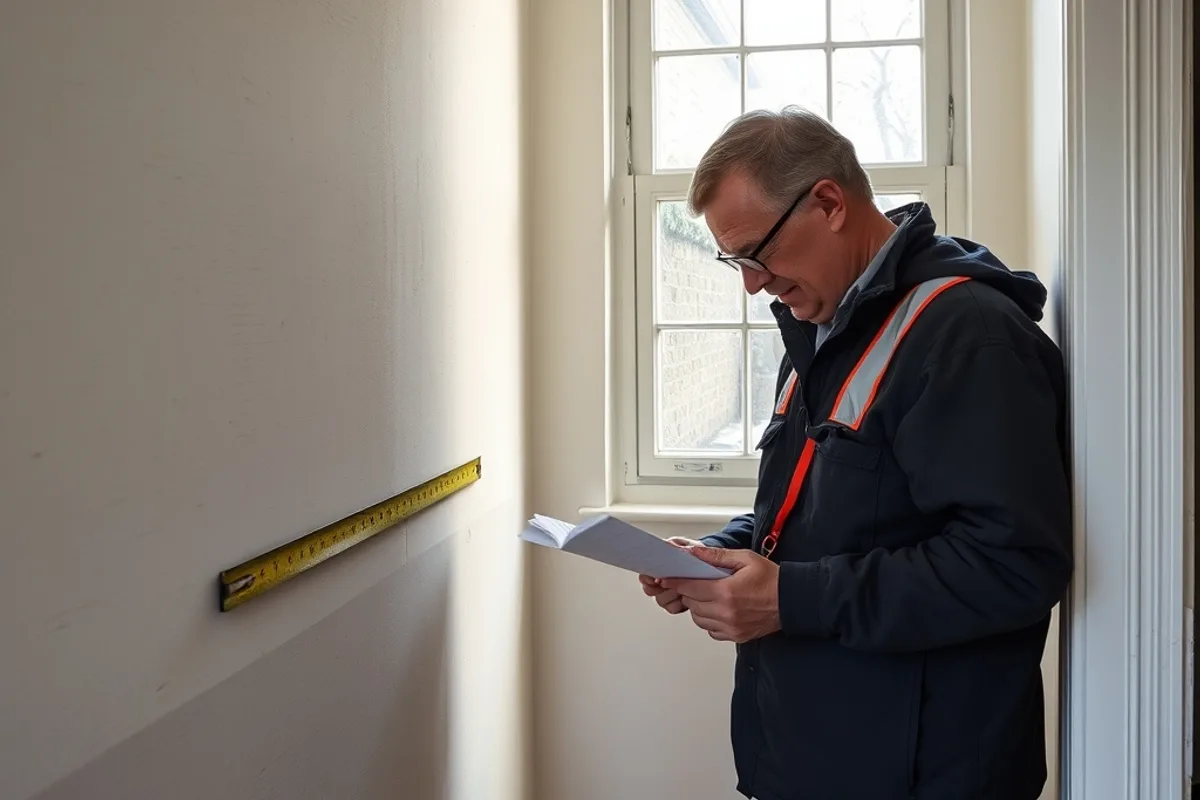
A schedule of condition is a photographic and written record of the neighbouring property before work starts. It is not an admission of liability; it is evidence. If a crack appears after the work, the schedule shows whether it existed before. It protects the builder and the neighbour alike.
Take dated photographs of every relevant wall, ceiling, floor and drainage run. Note existing cracks with a crack gauge, record damp patches and document any pre-existing movement. Have the schedule signed or at least shared in writing before work begins.
Legal costs can quickly exceed the value of the land in dispute. A mediated agreement that confirms the boundary and the maintenance responsibilities is often the best outcome, even if it is not perfect.
A boundary is a line on a plan. A good neighbour relationship is a series of small agreements made before anyone needs a lawyer.
Ownership of a fence is not always obvious. The deeds may show who is responsible, or the fence may be on one side of the boundary with posts and rails indicating ownership. A hedge can be owned by one party and maintained by another, or shared. Check before you replace or remove a feature.
Height limits and planning rules may apply to fences, walls and hedges. A fence that is tall enough to need permission, or a hedge that causes a statutory nuisance, can become a separate dispute. Keep receipts and photographs of maintenance; they are useful evidence of who has cared for the feature.
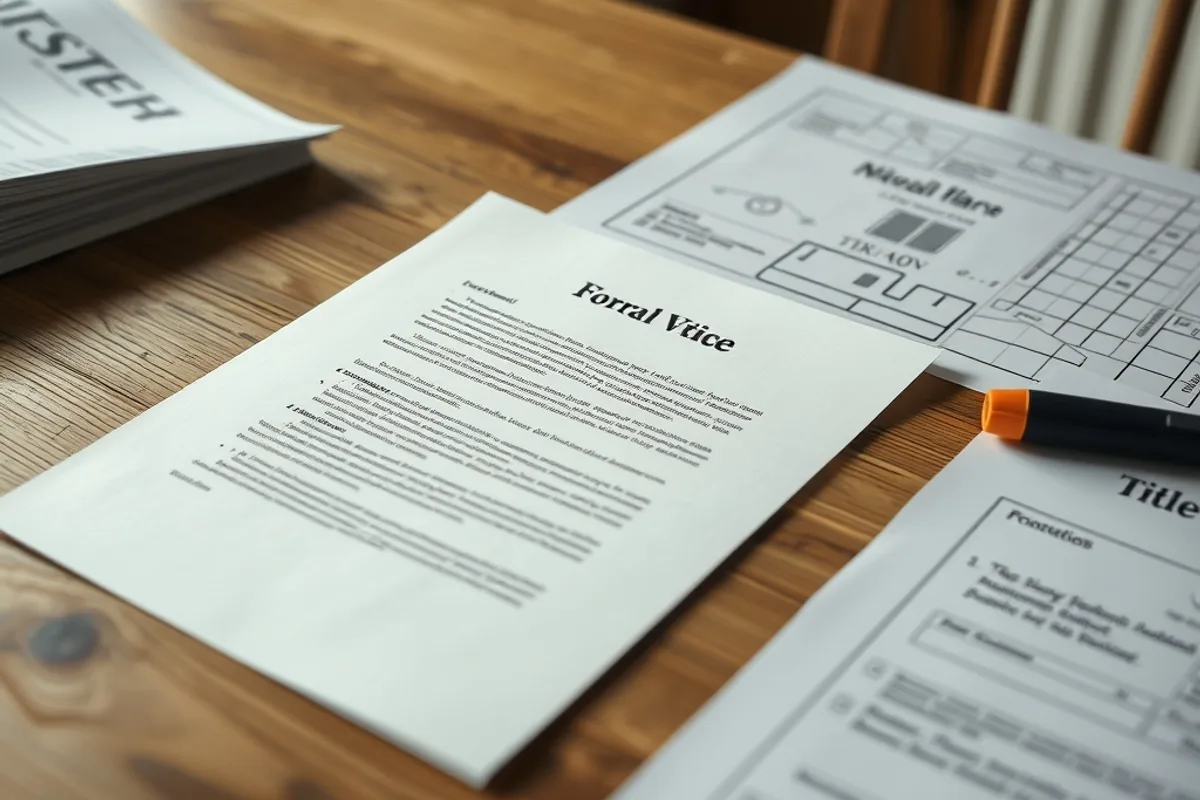
A well-managed boundary project has a title check, a measured site plan, a written notice, a schedule of condition and a clear record of the work. The neighbour knows what is happening and when. If a dispute arises, the evidence is already in a folder.
Spend the money on a surveyor and a letter before you spend it on lawyers. The first is an investment in certainty; the second is usually a consequence of skipping it.

Store the title documents, notices, awards, photographs and correspondence together. When you sell, the buyer's solicitor will ask about boundary responsibilities and any disputes. A complete file answers the question before it becomes a problem.
Boundaries are rarely interesting until they are contested. Treat them as part of the property's infrastructure, and document them like any other asset.